Unscience Antigen in human oropharyngeal swabs
Unscience Antigen Test for SARS-CoV-2 in Human Oropharyngeal Swabs
SARS-CoV-2 is a novel type of coronavirus identified and named by the World Health Organization (WHO). Since its emergence, the virus has spread worldwide and has been responsible for COVID-19, an infectious disease that primarily affects the respiratory system.
Common manifestations include fever, fatigue, dry cough and sore throat. In more severe cases, SARS-CoV-2 infection can lead to viral pneumonia, accompanied by symptoms such as dyspnea (difficulty breathing) and decreased blood oxygen saturation. Severe disease may progress rapidly to acute respiratory distress syndrome (ARDS), septic shock and other serious complications. Metabolic acidosis and coagulation dysfunction may also occur, making the management of severe cases particularly challenging and potentially life-threatening.

SARS-CoV-2 Antigen Detection
The Unscience SARS-CoV-2 antigen test is intended for the detection of viral antigens in human respiratory swab specimens. The test can be used with oropharyngeal, nasal and nasopharyngeal swab samples.
Proper sample collection and compliance with the test instructions are important steps in the testing process. The following sections describe the sample requirements, storage conditions and procedure provided for this test.
Storage and Stability
The test reagent should be stored at a temperature between 2 °C and 30 °C. Its provisional shelf life is established at 18 months.
Before using the product, check the label carefully for the production date and expiration date. Proper storage under the specified temperature conditions is necessary to maintain the reagent's stability throughout its stated shelf life.
Product Information and Availability
The Unscience antigen test is designed for SARS-CoV-2 antigen detection using human oropharyngeal, nasal and nasopharyngeal swab specimens.
You can purchase the following product:
SARS-CoV-2 Antigen Test in Human Oropharyngeal Swabs, Nasal Swabs and Nasopharyngeal Swabs

Sample Requirements and Collection Procedures
The test can be performed using three types of respiratory specimens: oropharyngeal swabs, nasal swabs and nasopharyngeal swabs. Each specimen requires a specific collection technique.
1. Oropharyngeal Swab
Ask the person to tilt their head slightly backward and open their mouth widely to expose the pharyngeal tonsils on both sides.
Using the swab, gently wipe both tonsils at least three times. Then, collect the sample by wiping the posterior pharyngeal wall up and down at least three times.
2. Nasal Swab
Before collecting the specimen, instruct the patient to blow their nose.
Under visual inspection, gently insert the swab into the nostril with the largest amount of discharge. Rotate the swab gently while advancing it until resistance is encountered at the level of the nasal turbinates. The insertion depth should remain less than one inch into the nostril.
Rotate the swab several times against the nasal wall, then carefully withdraw it from the nostril.
3. Nasopharyngeal Swab
Under visual inspection, gently insert the swab into the nostril with the largest amount of discharge.
Keep the swab close to the floor of the nasal septum while carefully advancing it toward the posterior nasopharynx. Rotate the swab several times to collect the specimen, then gently remove it.
If a cough reflex occurs during collection, stop the procedure for one minute before proceeding.
Test Procedure
Before starting the test, carefully read the manufacturer's instructions and follow the specified procedure.
Step-by-Step Testing Instructions
-
Bring the test kit to room temperature: Allow the sealed bag to reach room temperature before use.
-
Prepare the test cassette: Remove the cassette from its packaging and place it on a clean, horizontal surface.
-
Add the processed sample: Hold the sample vertically and add three drops of the processed specimen into the sample well.
-
Start the timer: Begin timing immediately after adding the sample.
-
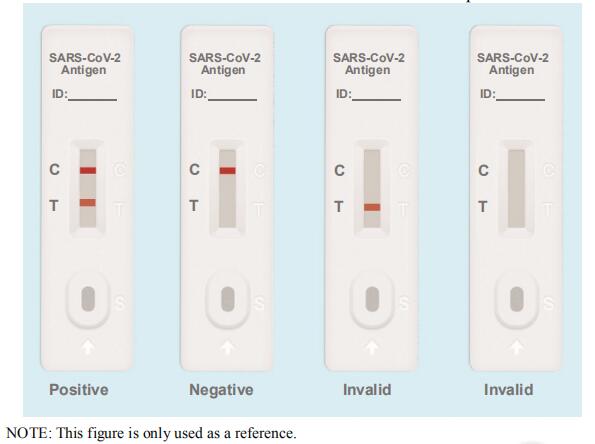
Read the result: Observe the test result after 10 minutes.
The result should be interpreted within the specified reading window. Results are valid up to 30 minutes after the sample has been added. Any result read after 30 minutes is considered invalid.
Important Instructions for Use
For reliable use of the Unscience SARS-CoV-2 antigen test, follow the manufacturer's instructions carefully. Pay particular attention to specimen collection, reagent storage, the number of sample drops added and the specified result-reading time.
Always consult the product's official instructions for use for complete information about test performance, interpretation and limitations.
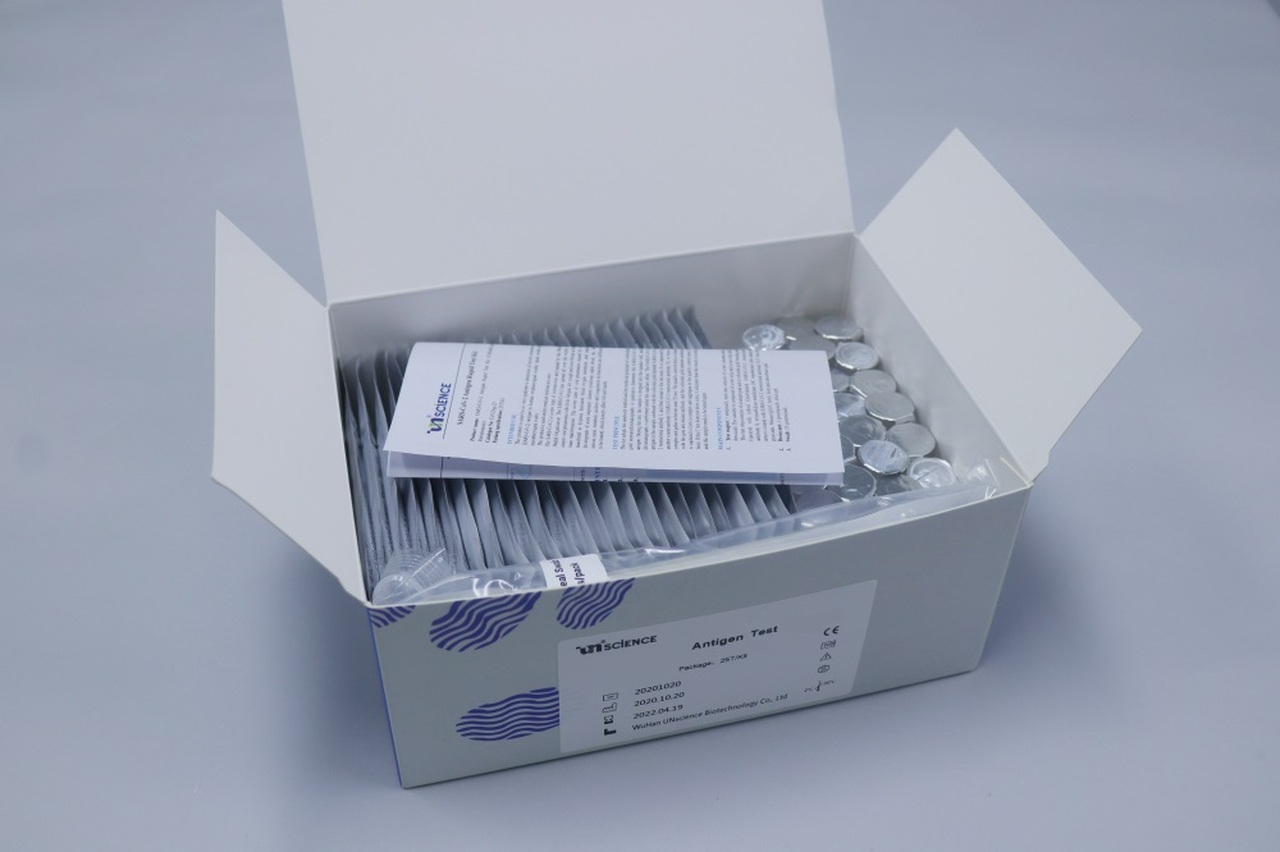
You can buy from here the: SARS-CoV-2 antigen in human oropharyngeal swabs, nasal swabs and nasopharyngeal swabs
TEST PROCEDURE